Guacamole is deceptively simple: mash an avocado, add a few things, done. And yet most guacamole is disappointing. Here’s what separates a bowl you forget from one you can’t stop eating.
It all starts with the avocado
You cannot fix a bad avocado with technique. We use Hass avocados — the pebbly, dark-skinned variety — because they’re buttery and rich rather than watery. Ripeness is everything: the fruit should yield gently to a squeeze in your palm (not your fingertips, which bruise it) and feel heavy for its size. Under-ripe avocado is grassy and hard; over-ripe turns stringy and gray. The window is real, and we pick within it.
The four things that actually matter
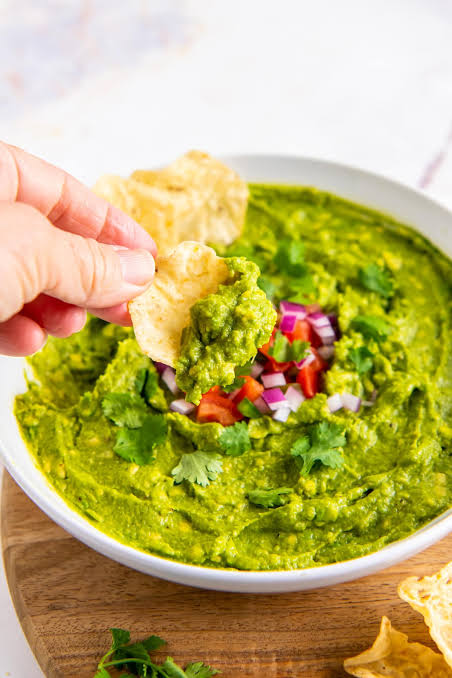
Our everyday guacamole is short on ingredients and long on care:
- Lime, freshly squeezed. Acid keeps the color bright and cuts the richness. Bottled juice tastes flat — we always squeeze.
- Salt, added in stages. Salt draws out flavor; adding it gradually and tasting as you go is how you avoid the two failures, bland and over-salted.
- Red onion, cilantro, a little oregano. Aromatics for lift. Finely diced so no single bite ambushes you.
- Restraint. That’s it. No sour cream, no mayo, no fillers to stretch it.
Texture is a flavor. Guacamole should be mashed, not puréed — you want to still meet pieces of avocado.
The one mistake that ruins good guac
Making it too early. Avocado oxidizes fast, and guacamole that’s sat for an hour has lost both its color and its bright edge. That’s the whole reason we mash ours to order. If you’re making it at home, keep the pit-and-plastic tricks in your back pocket, but know the truth: the only real fix for browning is to make it fresh and eat it soon.
How we use it across the menu
Great guacamole isn’t just a dip. It’s the cool, creamy counterweight that makes a spicy taco sing, the reason our Taco Salad feels complete, and the finishing touch on burritos and nachos. When the base is this good, it earns a place in almost everything.
Bring this straight to the table.